|

I have to say, the quality and helpfulness of customer service I have received with my TM4800 is probably the best out of any company I have delt with. Major thanks to Ian.
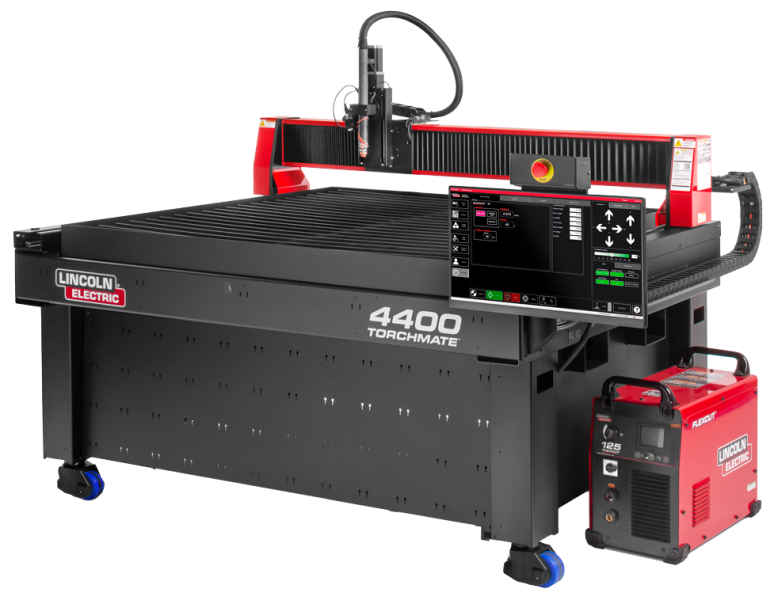
Iggy set me up with three or four different reasons my machine was acting up, one of them, or all, fixed the issue to my knowledge (10 parts cut, no issues) so I am very happy. As always your customer service should be the industry standard and I have recommended your products based on this to all the shop teachers in British Columbia, and I know at least one school that recently purchased a 4400 based on that.
Kevin M.
Thank you for your excellent tech support. The rep helping me was Ian. This is the second time I have called tech support and I couldn't be happier. Lincoln has exceeded my expectations. Your reps are very knowledgeable and easy to communicate with.
Tim S.
Since purchasing and receiving my Torchmate 4800 all staff and support that I have dealt with have been extremely courteous and professional.
Dan E.
Always great customer support over the years.
Jeff W.
Couldn't be happier with my interaction with the technician. He was both knowledgeable and personable. Those two things often don't exist in the same place. Thank you!
Lawrence A.
Ian took good care of me and resolved the issues I was having. Andrew has helped me out a few times as well . I guess he's alright too!
-Plasma Cutting Solutions
He called back and was able to explain why my issue may have been happening...Very impressive!
Robert W.
Ian called back quickly and followed up with an email. Great customer service.
Johnny B.
Thank you for helping me get my Torchmate cutting like a champ again.
Frank D.
Very professional and did a great job finding the issue with our machine.
Cody P.
Reply time was very fast,and the remote assistance was very helpful.
Jason R.
Daniel was awesome to work with and resolve the problem quickly.
Brian R.
Tech was amazing and helpful. Got me back up. Had the same problem the next day, no fault of my tech. He helped me the best he could. If you could send feedback to him tell him it was a bad ground to the table.
Dustin L.
Called me back promptly and quickly diagnosed my issue and the recommendations solved the problem!
Pau F.
Technician was very patient and understanding, helped walk me right through my complete problem.
Bob B.
Matt Farber is the best thing going for you he has always been more than helpful. I wish I had two of him
Joe B.
Got right back to me and got my problem solved right away and stayed on the line until they made sure the issues were taken care of, thank you!!
Kyle K.
Danny was completely helpful. Knowledgable, on point. Thank you again.
Grant H.
Andrew was very helpful and understanding. Awesome technical support
Tracey F.
Denny was absolutely wonderful. He answered all my questions and was extremely helpful giving me suggestions on what I could look for BEFORE calling in to Technical Support. Karen Reid and Shawna have also been extremely helpful and the team you have in place is A+
Sandi W.
Torchmate service has exceeded all my expectations and I have recommended you to all of my students Thanks again
Tom J.
Tim Wilson was great, ran me through everything thoroughly, and we managed to solve our 2 issues. The help is very much appreciated.
Mark P.
The technician was very professional and patient with some one who does not understand electrical very well. Awesome Job.
Rodney G.
Chad was completely professional and helpful during the phone call. He answered all the questions thoroughly and e-mailed the additional items that he thought would benefit me for working with the cad/cam software.
Scott K.
I have never had a customer service rep who was as helpful as the Torchmate technician (Iggy)was. It was obvious that he is very knowledgeable and helped someone who is not very commuter savvy (like me) correct the problems I was having.
Tom B.
|